Peptides
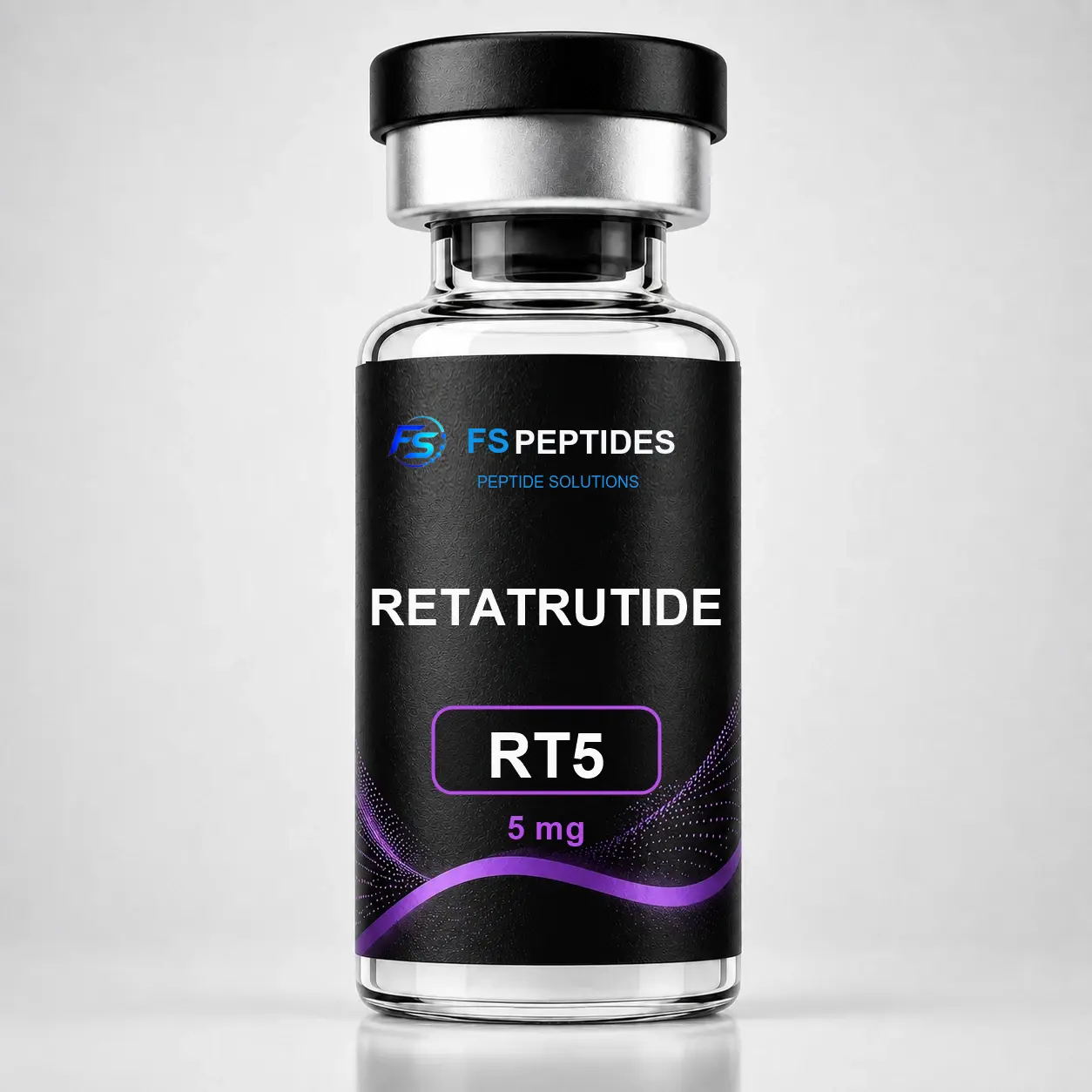
Retatrutide 10vials/box
$35.00
Published catalog price in USD. Freight and availability are confirmed on WhatsApp.
Specification
Specifications
| Specification | Catalog price |
|---|---|
| RT5 5mg 10vials/box | $35.00 |
| RT10 10mg 10vials/box | $60.00 |
| RT15 15mg 10vials/box | $90.00 |
| RT20 20mg 10vials/box | $115.00 |
| RT30 30mg 10vials/box | $160.00 |
| RT40 40mg 10vials/box | $210.00 |
| RT50 50mg 10vials/box | $250.00 |
| RT60 60mg 10vials/box | $285.00 |
| RT80 80mg 10vials/box | $350.00 |
| RT100 100mg 10vials/box | $385.00 |
| RT120 120mg 10vials/box | $430.00 |
Published description
Basic Information
Drug Classification: Triple receptor agonist, simultaneously activating GLP-1R / GIPR / GCGR (glucagon, glucose-dependent insulinotropic peptide, glucagon-like peptide-1)
Developer: Eli Lilly
Molecular Properties: Long-acting modified peptide
Indications and Development Direction: Type 2 diabetes, chronic obesity weight loss, metabolic syndrome, fatty liver
Dosage Form: Medical pre-filled pen; research channel lyophilized powder, solvent universal 0.9% benzyl alcohol antibacterial solution
Approval Progress: FDA is currently reviewing the weight loss indication; Phase III clinical data show weight loss efficacy far exceeding semaglutide and telpoxetine.
II. Triple Mechanism of Action (Core Advantages)
GLP-1 Pathway: Glucose-dependent insulinotropic peptide, glucagon inhibition, delayed gastric emptying, potent hypothalamic appetite suppression, reducing calorie intake.
GIP Pathway: Synergistically amplifies blood glucose lowering and weight loss effects, enhances pancreatic islet sensitivity, and reduces inflammation.
GCGR (Glucagon Receptor Mild Agonist) mildly activates lipolysis, increases energy expenditure, reduces visceral fat, and improves liver fat accumulation; Unlike glucagon alone, this product is a selective, mild agonist and will not significantly raise blood sugar.
The three effects work together to achieve four benefits: blood sugar control effective fat reduction increased basal metabolism improved NAFLD.
III. Core Clinical Effects (Phase III Data)
Weight Loss (Maximum Dose 12 mg weekly)
Average weight loss over 6 months: 24%-30% of baseline weight
Many participants achieved weight loss exceeding 25%, with a significant reduction in visceral fat, superior to Tirzepatide and Semaglutide.
Glucose Control
Significantly reduced glycated HbA1c with a high target achievement rate and extremely low risk of hypoglycemia (glucose-dependent effect).
Metabolic Improvement
Significantly improved triglycerides, blood pressure, and insulin resistance; significantly reduced intrahepatic fat content in non-alcoholic fatty liver disease.
Cardiovascular Benefits
Reduced weight-related cardiovascular risk factors and decreased inflammatory markers.
IV. Standard Dosing Step-Up Regimen (Clinical Recommendation)
Initial 4 weeks: 2 mg/week
Next 4 weeks: 4 mg/week
Maintenance: 6 mg → 8 mg → 12 mg (adjusted based on tolerance and weight loss goals)
Maximum Recommended Maintenance Dose: 12 mg Once a week
V. Common Side Effects (Dose-dependent, relieved by increasing dosage)
Gastrointestinal (most common): Nausea, vomiting, diarrhea, vomiting, bloating, constipation, significant loss of appetite; usually gradually tolerated over the first 1-2 months.
Other minor reactions: Redness, swelling, and itching at the injection site; fatigue; mild increase in heart rate; belching.
Severe High Risk (Immediately Discontinue Medication and Seek Medical Attention)
Acute Pancreatitis: Persistent severe upper abdominal pain, vomiting; contraindicated in individuals with a history of pancreatitis.
Family history of medullary thyroid carcinoma / MEN2 syndrome: Absolutely contraindicated (common black box warning for all GLP-1 drugs).
Severe and persistent dehydration, acute kidney injury (induced by vomiting, diarrhea, and insufficient rehydration).
Increased risk of gallstones and cholecystitis (high incidence in individuals undergoing rapid weight loss).
Severe hypoglycemia (increased risk when used in combination with insulin or sulfonylureas).
VI. Absolute Contraindications
Personal/family history of medullary thyroid carcinoma, multiple endocrine adenomas type 2 (MEN2).
Pregnant, women planning pregnancy, and breastfeeding women.
Type 1 diabetes, diabetic ketoacidosis.
History of severe pancreatitis.